Ronald T. McLaughlin

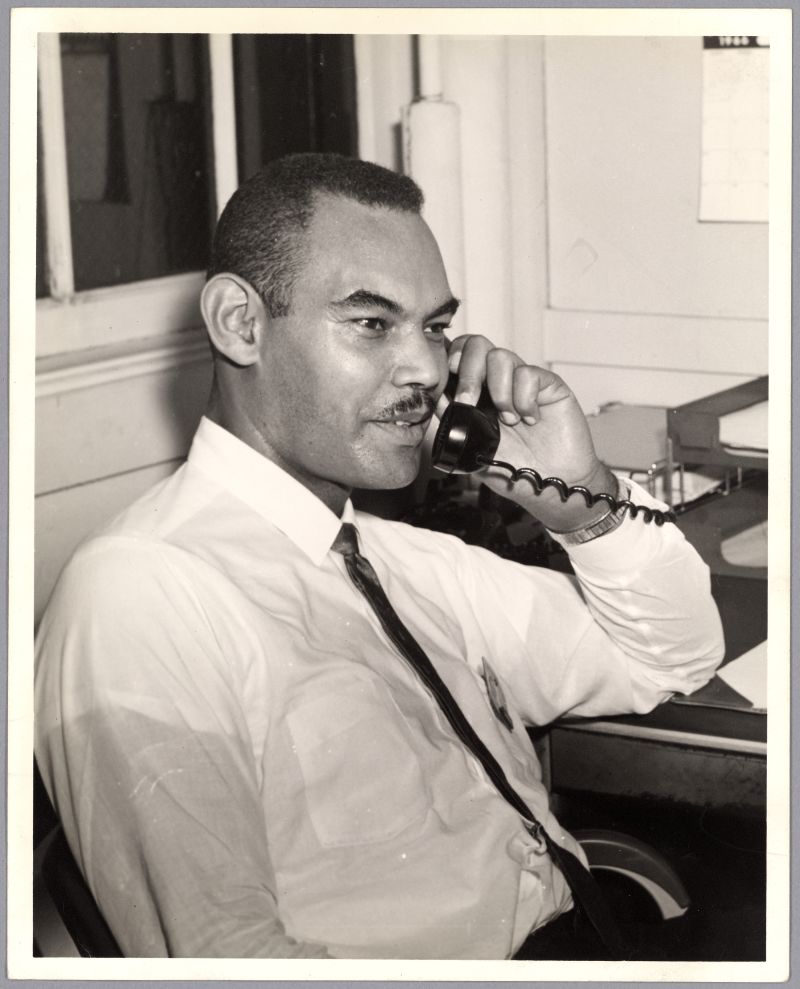
Following Joseph R. Applegate, the second black faculty member to be appointed at MIT was Canadian-born Ronald Theodore McLaughlin. In 1962, he was one of the civil engineering department's first appointments in the field of water resources systems as opposed to the then prevalent emphasis on hydraulic engineering. Much of the environmental work he did during this time was later recognized to be innovative as alternative technologies for handling wastewater in rural areas gained prominence.
At MIT, McLaughlin developed Environmental Water Systems (ENWATS), a consulting firm with a focus on international civil engineering projects mostly in Brazil and Colombia. Courses he taught at the Institute included hydraulic engineering, water resources development, water quality control, and water resource systems. In his short career at MIT, McLaughlin directed a total of 23 theses presented for advanced degrees--18 master's and 5 doctoral.
Ron was one of the hardest working professors I have ever known. He was known to get by on four hours sleep every night...He was an absolute perfectionist...
Frank E. Perkins, MIT colleague, 1997
McLaughlin also devoted considerable time and effort on strategies to broaden MIT's role within the wider community, including the MIT Summer Day Camp in Science and Technology, which attempted to provide a novel educational experience for underprivileged youth in local neighborhoods. McLaughlin was promoted to associate professor in 1965, but took a leave of absence three years later, remaining on leave until his resignation from MIT in 1969.