MLK at MIT
Legacies of Dr. Martin Luther King, Jr. at the Institute

The assassination of Martin Luther King, Jr. in 1968 sparked changes at MIT: formation of the BSU, new initiatives and programs, annual commemorations, and a designated Institute holiday.
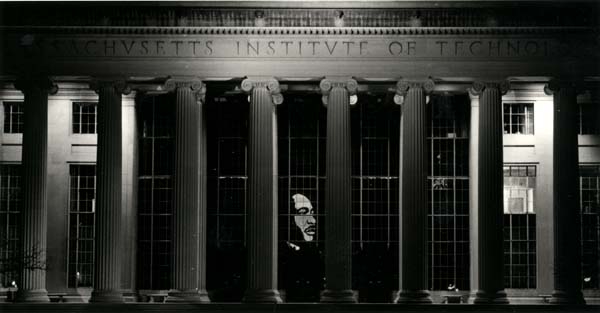
Martin Luther King, Jr. demonstrated [the butterfly] effect in the social and political realms: for if ever one man’s life–and life’s work–changed an entire society irreversibly, it was his life.
Charles M. Vest, MIT President 1990-2004
Early MLK Exhibits
1968-1976
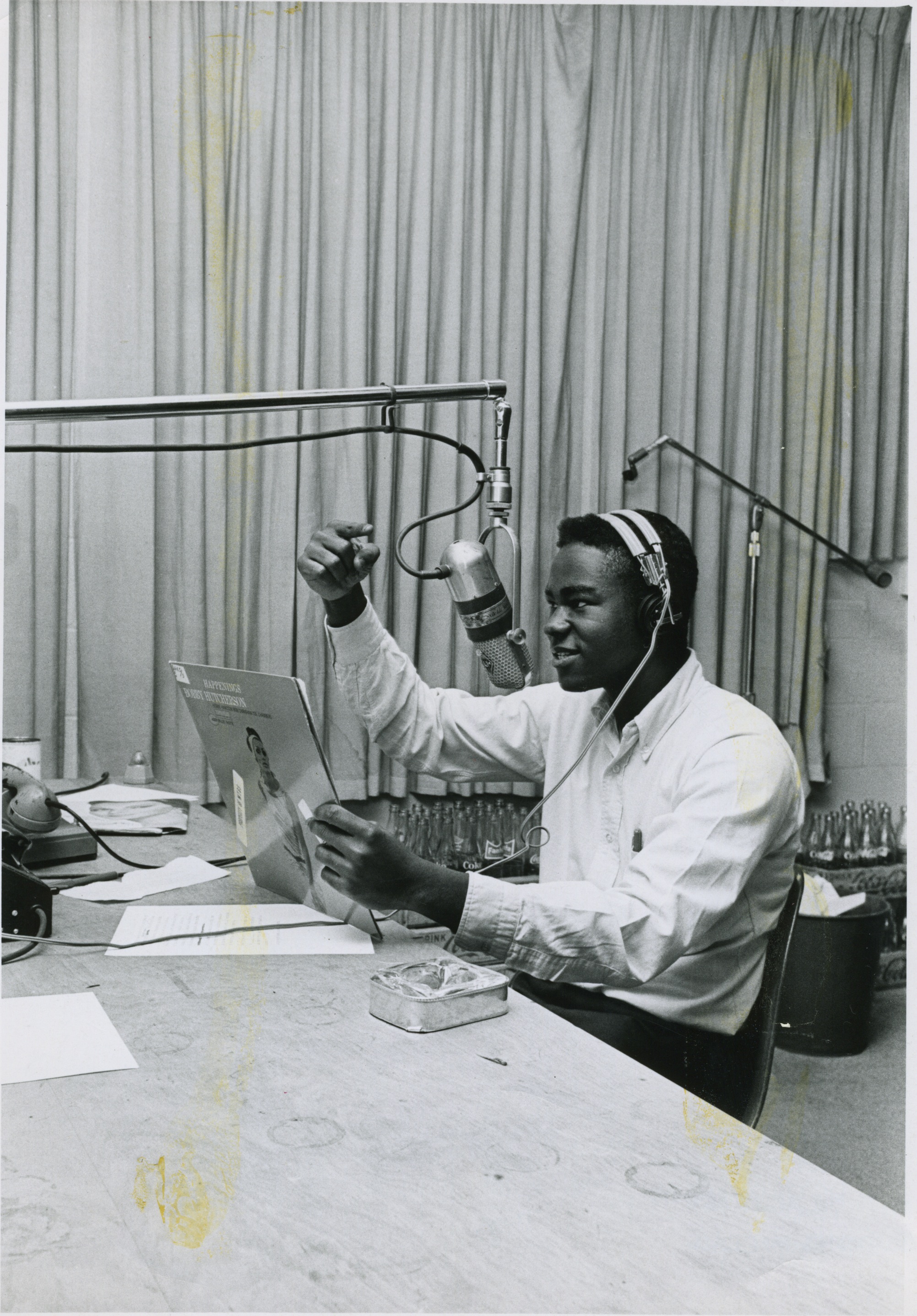
In April of 1968, MIT cancelled classes to join the nation in mourning the assassination of Dr. Martin Luther King. His death directly led to the formation of the MIT Black Students’ Union, as well as Interphase, a summer program that to the day prepares incoming students for the rigors of MIT.


MLK Commemorations
Since 1975
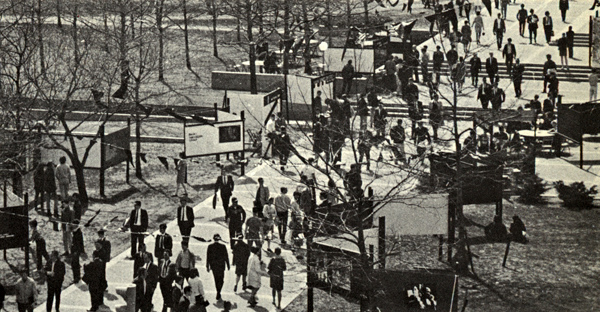
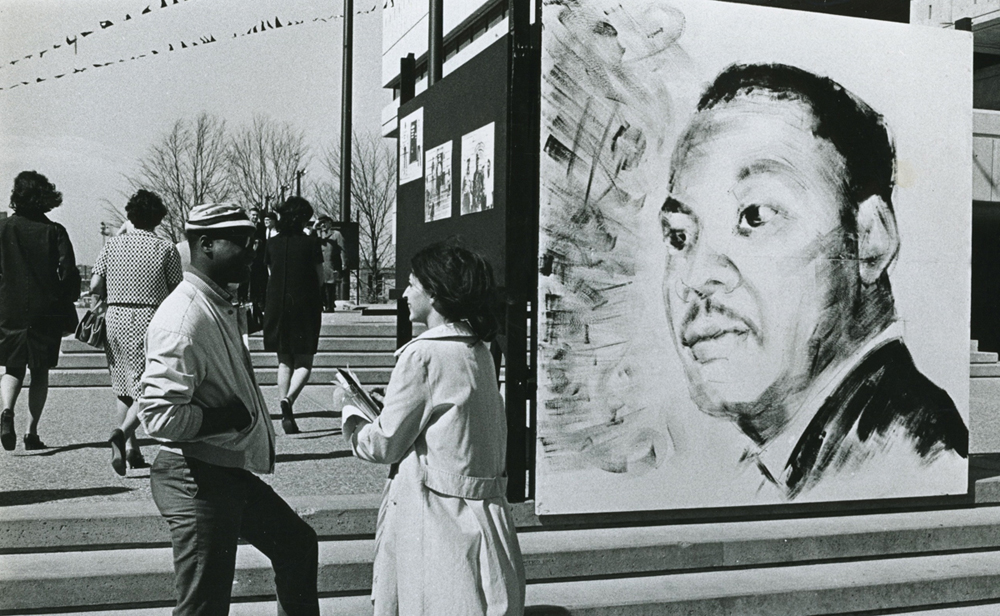
MIT began its annual commemoration of Dr. Martin Luther King, Jr. in 1975, seven years after his assassination. The yearly memorial activities feature a march, a breakfast, and Dr. King-inspired lectures on campus by prominent speakers from across the disciplines, including Coretta Scott King in 1994.
Martin Luther King Day became a designated Institute holiday in 1976, a decade before its first official observance as a federal holiday.
It is so important for companies and institutions of higher education to make an earnest commitment to go beyond the letter of the law and to make diversity not just a buzzword for their public relations programs, but a real policy that will be reflected at every level of corporate decision-making.
Coretta Scott King, MLK Keynote Address at MIT: "The Movement for Economic and Social Justice," 1994
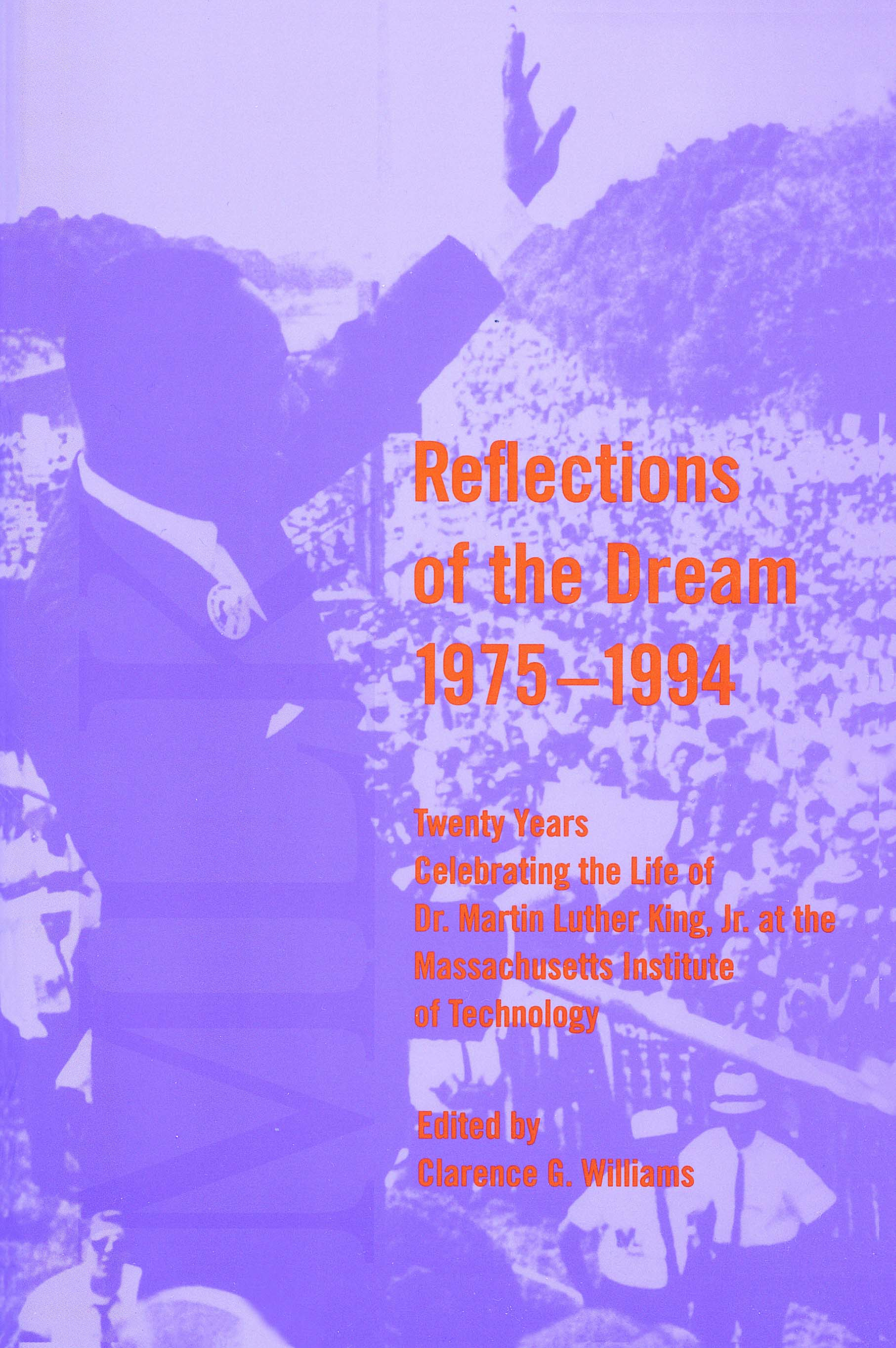
Reflections of the Dream, 1975-1994: Twenty-One Years Celebrating the Life of Dr. Martin Jr. at the Massachusetts Institute of TechnologyEdited by Clarence G. WilliamsMIT Press, 1996Bringing together speeches given at the Institute's annual King Day convocation, this book celebrates two decades of commitment by MIT to honoring the honoring the memory and furthering the work of Martin Luther King, Jr. In reading these speeches, one catches in reflection twenty years of turmoil and change, some positive (including an increasing number of speakers drawn from the ranks of MIT's African American alumni/ae) but much negative, in which Dr King's dream has been a continuing beacon for action. Speakers have included leaders who are prominent both nationally and in the local (Boston/Cambridge) community, in accordance with Dr. King’s dual emphasis on global and local issues. The book closes with Coretta Scott King’s twentieth-anniversary address in 1994.
MIT MLK Visiting Professors and Scholars Program
Since 1991
The annual MLK Celebration's public events and lectures paved the way for bringing several visiting professors across disciplines to campus each academic year under the MIT Dr. Martin Luther King Jr. Visiting Professor and Scholar Program.
In 1988, MIT appointed a committee chaired by Professor Michael Feld of the Physics Department (NASA astronaut Ronald E. McNair‘s PhD advisor and mentor). The Institute Committee was charged with considering how MIT could further call community attention to Dr. King’s life, work, and contributions. Among the committee’s recommendations were the establishment of the MLK Visiting Scholars program in 1991 and its expansion, the MLK Visiting Professors program, in 1995. Since then, the MLK Visiting Professors and Scholars Program has enriched the intellectual life of MIT.
The first ever appointed Visiting Scholar was Henry C. McBay, a retired professor of chemistry at Morehouse College, Dr. King’s alma mater. His dedicated service to the fields of chemistry and teaching included developing a treatment for prostate cancer and advancing a chemistry education program in Liberia on behalf of UNESCO in 1951.
The four inaugural Visiting Professors appointed in 1995 were: Wesley Harris (aeronautics and astronautics), Richard Joseph (political science), Steven Lee (mathematics), and Oliver McGee (civil and environmental engineering).
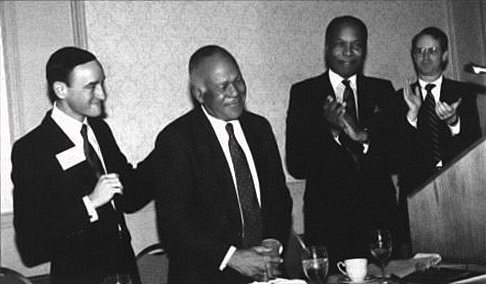

Henry C. McBay: A Chemical FestschriftEdited by William M. Jackson and Billy Joe EvansMIT Press, 1994Proceedings of a symposium honoring Henry C. McBay as the Institute's first MLK Scholar. The volume opens with a biographical chapter by science historian and MIT professor Kenneth R. Manning. Appendices include a list of Dr. McBay's publications and of chemistry majors under him who went on to earn doctoral and medical degrees.
MLK Design Seminar
Since 1991
Since 1991, the MLK Design Seminar has brought MIT and Wellesley students together each January, during the Institute's Independent Activities Period (IAP), to create artistic and political campus installations to coincide with the Institute commemorations.
In the seminar taught by Tobie Weiner (Course 17.922), students develop an in-depth understanding of the history of US racial issues, as well as past and present domestic and international political struggles. Then groups work to complete installations and other projects that connect academics with real-life problems and struggle.
MLK Leadership Awards
Since 1995
Beginning in 1995, MIT has awarded annual MLK Leadership Awards to students, alumni, staff, groups and faculty who embody the spirit of Dr. King’s work. “Service to the community” is defined in the broadest sense and includes academic, research, religious, and secular contributions in which integrity, leadership, creativity, and positive outcome are apparent.
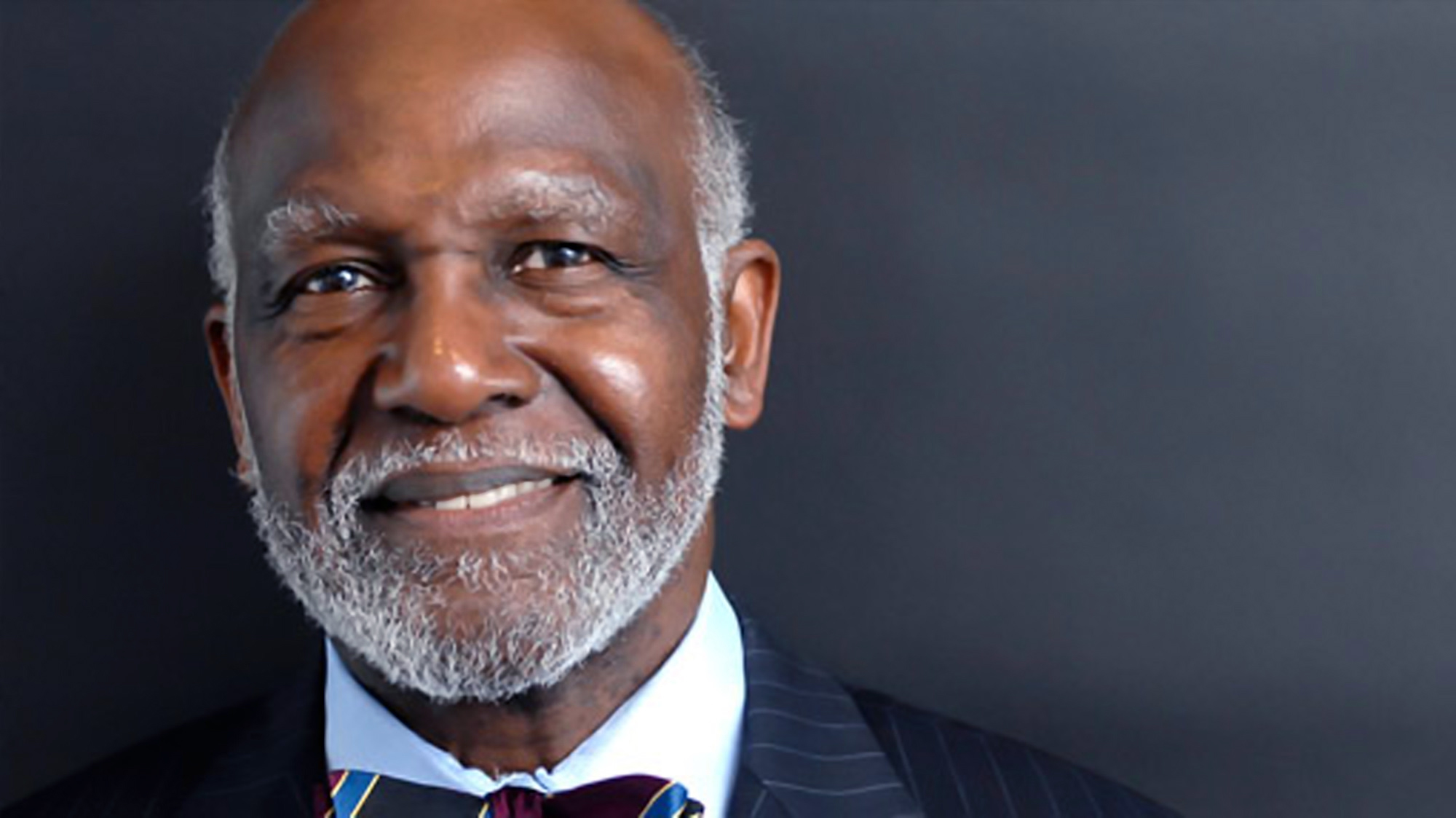
In 2014, Wesley L. Harris received the 40th MLK Celebration Lifetime Achievement Award, a special honor given only during decennial celebrations to acknowledge a community member who has given dedicated service to the MIT Community. The Institute also honored Dr. Harris with a MLK Leadership Award in 2001. A year later, the Minority Introduction to Engineering, Entrepreneurship and Science program established the Wesley L. Harris Scholarship Fund for MITE2S in his name. Dr. Harris has been a professor of aeronautics and astronautics at many different points in his career, first serving from 1972-79, returning as an inaugural 1995-96 MLK Visiting Professor, then remaining at MIT from 1996 to the present.
MLK Day Marches
1975-2016
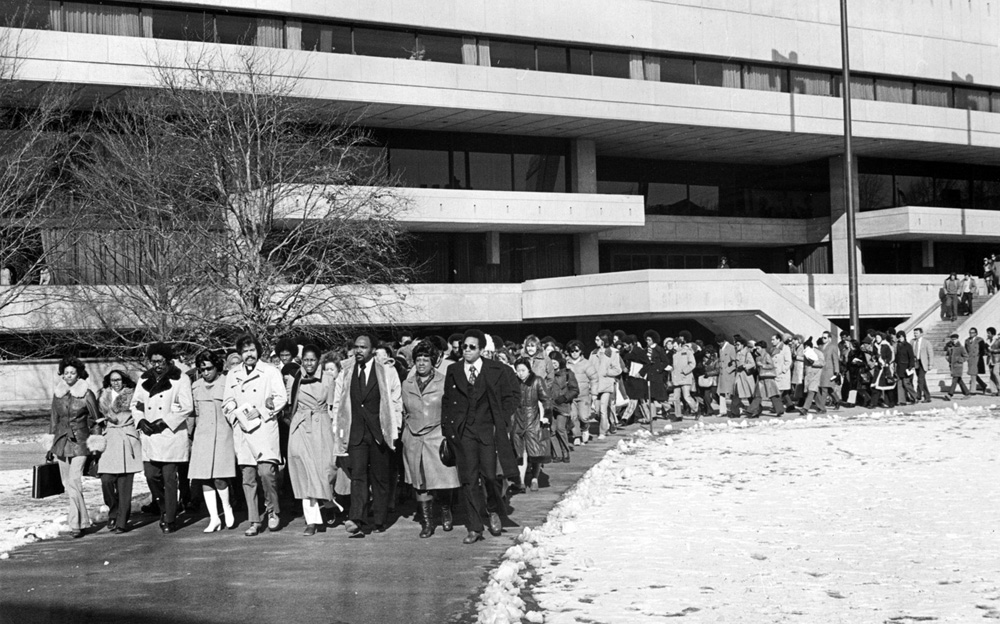


Front row, left to right: Clarence G. Williams (MIT Special Assistant to the President), Jerome H. Holland (New York Stock Exchange and MIT Corporation board member), and Jerome B. Wiesner (MIT President); second row, left to right: Josie Bertie (Secretary to the MIT Special Assistant to the President) and Paul E. Gray (MIT Chancellor). Photo: Calvin Campbell/MIT News Office, Courtesy MIT Museum

Front row, left to right: Clarence G. Williams (MIT Special Assistant to the President), Rev. Melvin G. Brown (Union Baptist Church, Cambridge), Josie Bertie (Secretary to the MIT Special Assistant to the President), and Paul E. Gray (MIT Chancellor). Photo: Calvin Campbell/MIT News Office, Courtesy MIT Museum

Front row: Rev. Anthony C. Campbell (second from left; Boston University preacher in residence) and Clarence G. Williams (far right; MIT Special Assistant to the President) Photo: Calvin Campbell/MIT News Office, Courtesy MIT Museum

Front row, left to right: Rev. LeRoy Attles (St. Paul AME Church, Cambridge), Paul E. Gray (MIT President), Priscilla K. Gray (MIT Public Service Center co-founder), and Clarence G. Williams (MIT Special Assistant to the President) Photo: Calvin Campbell/MIT News Office, Courtesy MIT Museum

Front row, left to right: Charles S. Brown (AT&T Bell Laboratories), Paul E. Gray (MIT President), Priscilla K. Gray (MIT Public Service Center co-founder), and Clarence G. Williams (MIT Special Assistant to the President) Photo: Calvin Campbell/MIT News Office, Courtesy MIT Museum
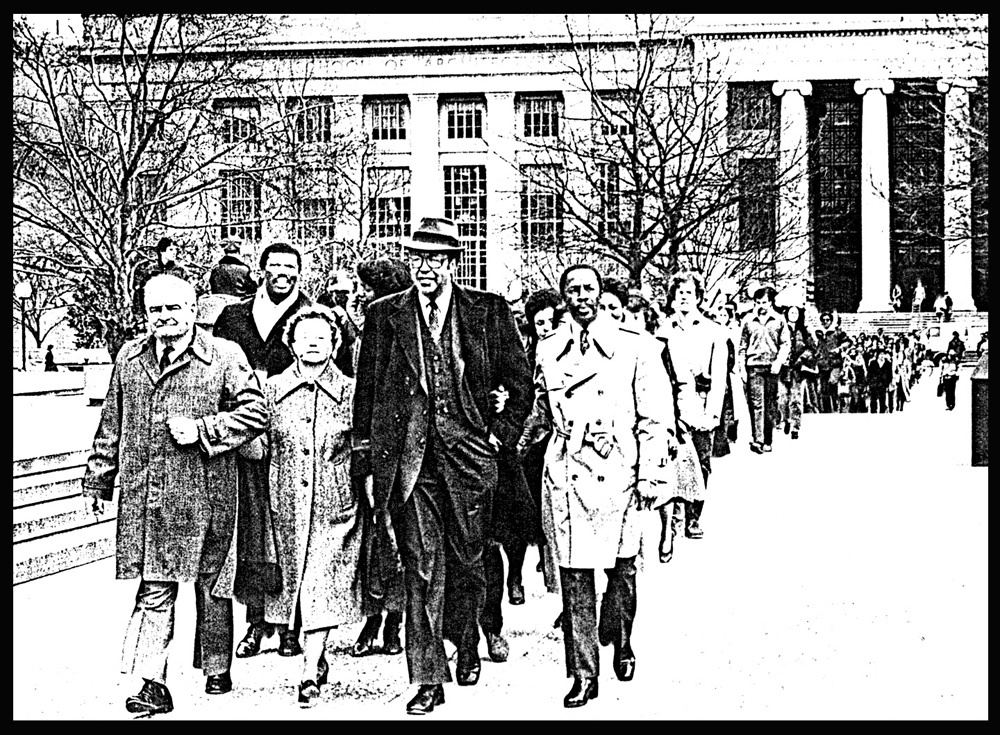
Front row, left to right: Paul E. Gray (MIT President), Priscilla K. Gray (MIT Public Service Center co-founder), A. Leon Higginbotham, Jr. (Presiding Judge, U.S. Foreign Intelligence Surveillance Court of Review), and Clarence G. Williams (MIT Special Assistant to the President) Photo: Calvin Campbell/MIT News Office, Courtesy MIT Museum

Front row, left to right: Bishop John R. Bryant (AME Episcopal Church) Paul E. Gray (MIT President), Priscilla K. Gray (MIT Public Service Center co-founder), and Clarence G. Williams (MIT Special Assistant to the President) Photo: Calvin Campbell/MIT News Office, Courtesy MIT Museum

Front row, left to right: Leo Osgood (director of MIT Office of Minority Education), Charles M. Vest (MIT President), A. Leon Higginbotham, Jr. (former U.S. Chief Judge), and Becky Vest. Photo: Sharon N. Young-Pong/The Tech, Courtesy MIT Museum

Annual MIT Martin Luther King Jr Inspired Art and Performance Contest
Since 2013
Since 2013, the Institute Community and Equity Office has hosted the Annual MIT Martin Luther King, Jr. Inspired Art & Performance Contest and dinner celebrating student creativity. Winning entries in the categories of visual art (painting, photography, sculpture, video), performance art (music, song, spoken word, dance, theater), and literary work (poetry, short story, speech, play) each receive $250 cash prizes. The works are inspired by the ideals of Dr. King and/or other civil rights leaders in the past or current human rights activists in the US and the World (i.e., Gandhi, Nelson Mandela, Cesar Chávez, Fannie Lou Hamer, and Harvey Milk). These ideals include freedom, justice, peace, equality, civil rights, human rights and/or social justice. The contest is open to all MIT undergraduates, graduate students, and Wellesley students cross-registered at MIT for the semester.
Below: "Sound Portraits" (2014) by Alexandra Lee, submission to the 2nd Annual MIT Martin Luther King Inspired Art and Performance Contest
Martin Luther King Jr Pocket Garden

The Martin Luther King, Jr. Pocket Garden at the Stratton Student Center is maintained by the MIT Department of Facilities Grounds Services.
Plant list of perennials:
Astilbe x arendsii ‘Bridal Veil' (Bridal Veil Astilbe)
Astilbe x arendsii ‘Fanal’ (Fanal Astilbe)
Hemerocalis x ‘Stella d’Oro’ (Stella d’Oro Lilly)
Hosta sieboldiana ‘Frances Williams’ (Frances Williams Hosta)
Hosta ‘Gold Drop’ (Gold Drop Hosta)